
Carrot Loaf Cake Recipe – Moist, Flavorful, and Foolproof

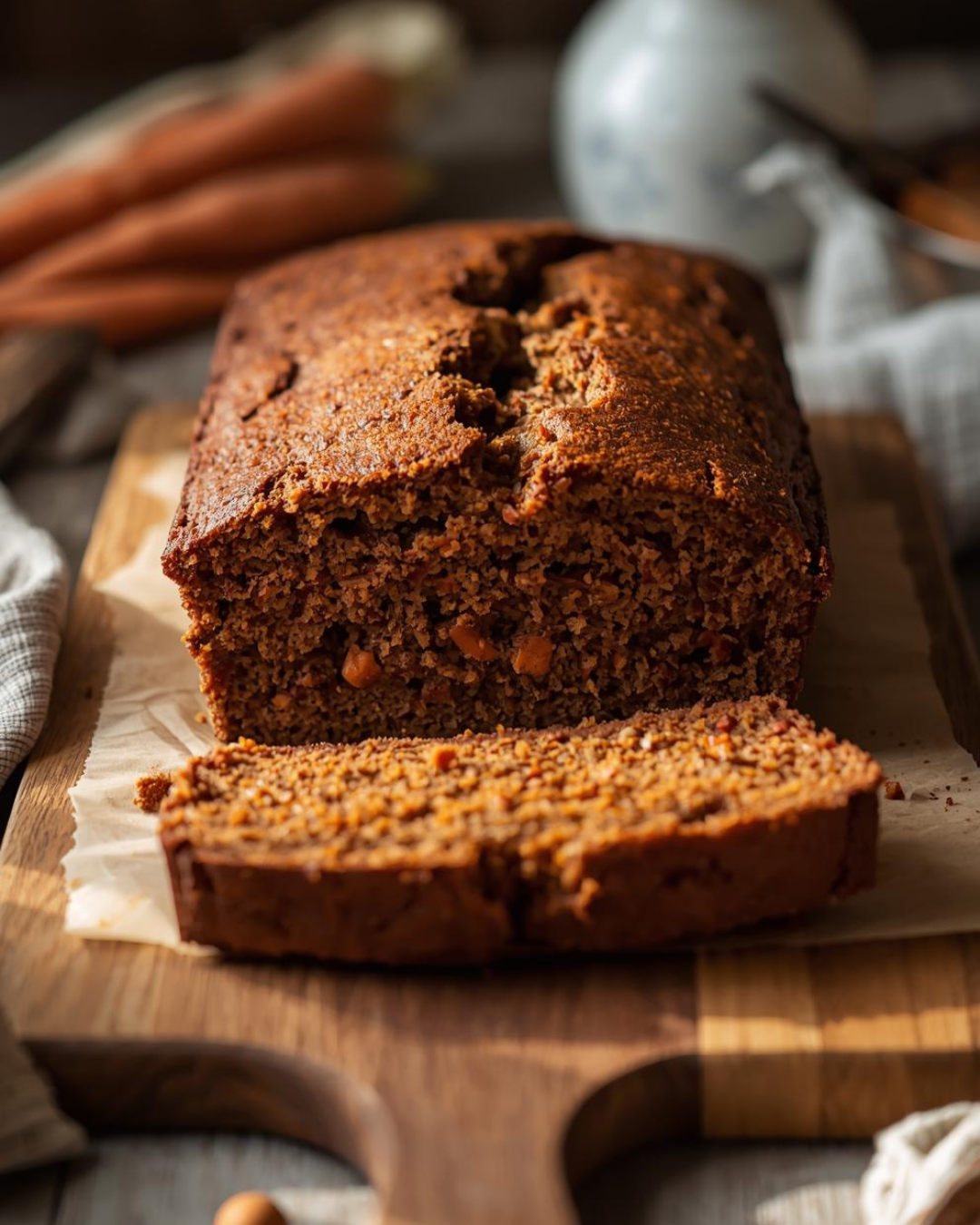
There’s something quietly comforting about a carrot loaf cake. It doesn’t scream for attention like a layered celebration cake, and it doesn’t pretend to be overly fancy. Instead, it sits there on the counter, wrapped in parchment or tucked into a loaf tin, promising warmth, spice, and that unmistakable homemade charm. If carrot cake were a conversation, carrot loaf cake would be the version where you kick off your shoes, pour a cup of tea, and stay a little longer.
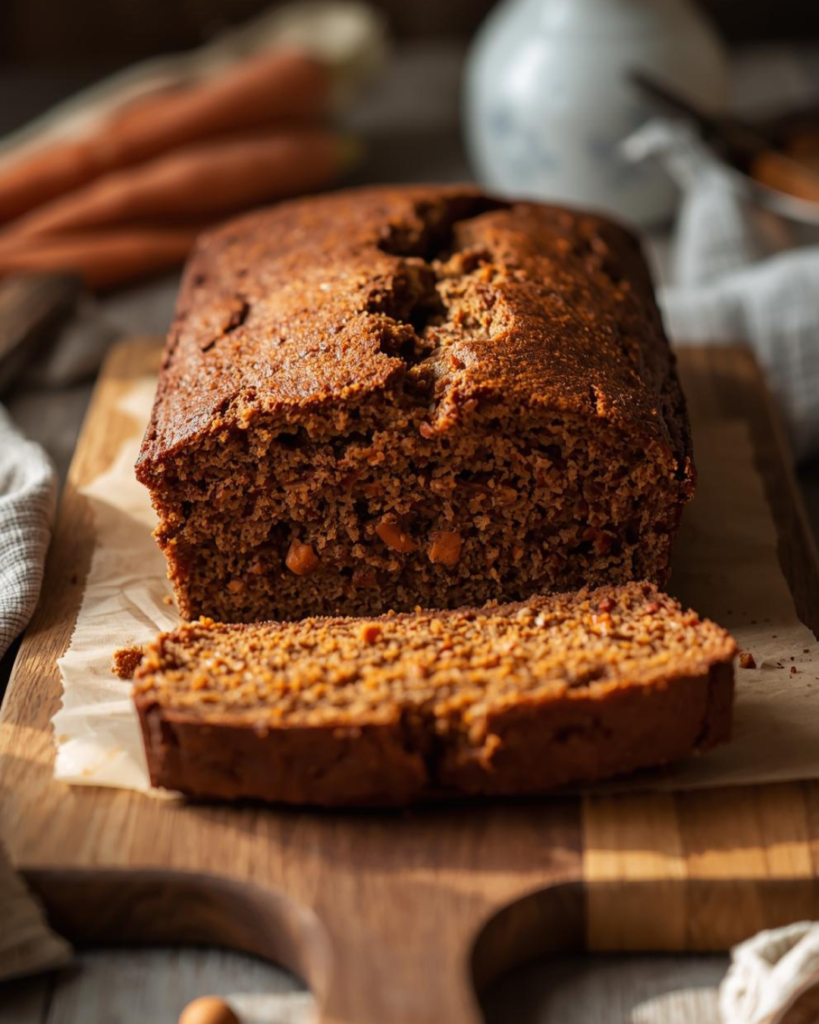
Unlike traditional carrot cake, which often comes stacked with thick layers of cream cheese frosting, carrot loaf cake is more relaxed. It’s baked in a single pan, sliced generously, and enjoyed any time of day. Breakfast? Absolutely. Afternoon snack? Perfect. Dessert after dinner? No one’s judging. The loaf format also makes it incredibly practical—easy to bake, easy to store, and even easier to share.
What makes this carrot loaf cake recipe special is the balance. It’s moist without being soggy, spiced without being overpowering, and sweet without crossing into cloying territory. Every bite delivers tender crumb, subtle crunch (if you add nuts), and that earthy sweetness carrots are famous for. And no, it doesn’t taste like vegetables. Think of carrots as the quiet hero, doing all the work behind the scenes while the spices and sugar take the spotlight.
If you’ve ever had a carrot loaf cake turn out dry, dense, or oddly bland, don’t worry. This guide walks you through every step, every ingredient, and every decision so you end up with a loaf that feels bakery-worthy but still unmistakably homemade.
The History of Carrot Cake and Loaf Variations
Carrot cake might feel like a modern classic, but its roots stretch way further back than most people realize. Long before refined sugar was widely available, bakers leaned on naturally sweet vegetables to bring desserts to life. Carrots, with their high natural sugar content, were an obvious choice. During medieval times, carrot-based puddings and cakes were common, especially in Europe, where sugar was expensive and scarce.
Fast forward to the 20th century, and carrot cake had a resurgence, particularly during wartime rationing. Once again, carrots stepped up as a practical, affordable way to add sweetness and moisture to baked goods. Over time, cream cheese frosting entered the scene, spices became more defined, and carrot cake evolved into the version we recognize today.
The loaf variation came later, driven by practicality. Home bakers wanted something simpler than layered cakes—something that didn’t require assembly or elaborate decorating. Enter the carrot loaf cake. Same flavors, same comforting spice profile, but in a more casual, everyday format. It fit perfectly into busy households, brunch tables, and bake sales.
Today, carrot loaf cake stands on its own. It’s not just “carrot cake in a loaf pan.” It’s a distinct bake with its own texture, rhythm, and purpose. And once you master it, you’ll understand why it’s become a staple in so many kitchens.
Why This Carrot Loaf Cake Recipe Works Every Time
Some recipes look great on paper but fall apart in real life. Too dry, too oily, or so dense you could use it as a doorstop. This carrot loaf cake recipe avoids all those pitfalls because it’s built on balance and tested logic, not guesswork.
First, the moisture level is spot-on. The combination of oil, eggs, and freshly grated carrots ensures the loaf stays tender for days, not just the hour it comes out of the oven. Oil is especially important here—it coats the flour proteins more evenly than butter alone, preventing the crumb from tightening up as the cake cools.
Second, the spice blend is intentional. Cinnamon takes the lead, but nutmeg and ginger play supporting roles. Nothing overwhelms the carrots, and nothing tastes flat. Each spice shows up just enough to make you pause and think, “What is that flavor?” without dominating the bite.
Third, the mixing method is forgiving. You don’t need a stand mixer or fancy technique. A couple of bowls, a whisk, and a spatula will do the job. This reduces the risk of overmixing, which is one of the biggest reasons loaf cakes turn out tough or dense.
Finally, the baking time and temperature are calibrated specifically for loaf pans. This ensures even baking from edge to center, no raw middle, no burnt crust. In short, this recipe works because it respects the science of baking while still leaving room for personal touches.
Essential Ingredients for Carrot Loaf Cake
A great carrot loaf cake doesn’t require exotic ingredients, but every component plays a role. Think of it like a band—each ingredient has its own instrument, and together they create harmony.
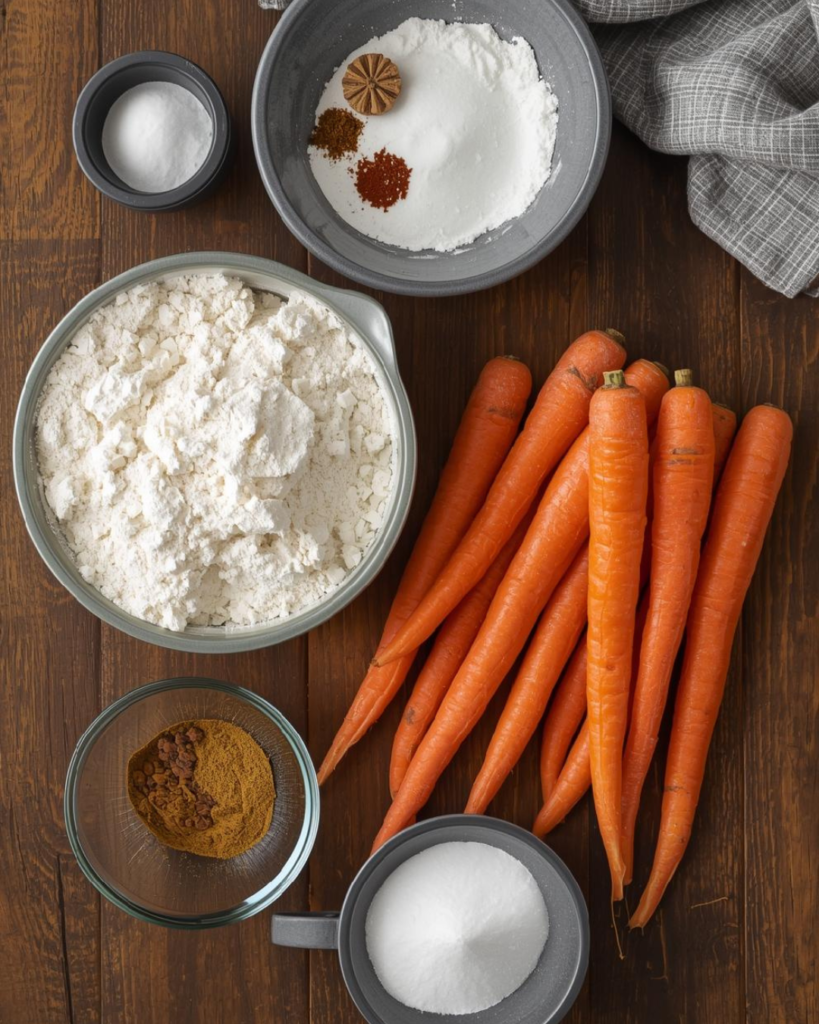
Here’s what you’ll need and why it matters:
- All-purpose flour: Provides structure without making the loaf heavy. It’s the reliable backbone of the cake.
- Carrots: Freshly grated carrots add moisture, subtle sweetness, and texture. They’re non-negotiable.
- Sugar: A mix of brown and white sugar creates depth. Brown sugar adds moisture and a hint of caramel.
- Eggs: Bind everything together and give the loaf structure and lift.
- Oil: Keeps the crumb soft and moist for days.
- Baking soda and baking powder: Work together to give just enough rise without causing collapse.
- Spices: Cinnamon, nutmeg, and ginger bring warmth and complexity.
- Salt: Enhances flavor and balances sweetness.
- Vanilla extract: Adds a subtle background note that ties everything together.
Optional ingredients like nuts, raisins, or coconut can be added later, but the core ingredients above are what make the loaf reliable and satisfying every single time.
Choosing the Right Carrots
Carrots might seem straightforward, but they can make or break your loaf cake. The biggest mistake people make is using pre-shredded carrots from a bag. While convenient, they’re often dry and thick, which means less moisture and uneven texture in your cake.
Fresh, whole carrots are the way to go. When you grate them yourself, you retain all that natural moisture that keeps the loaf tender. Use the fine side of a box grater or a food processor with a shredding disc. You want thin, soft shreds that melt into the batter as it bakes.
Another tip? Don’t squeeze the carrots dry. Unlike zucchini bread, carrot loaf cake benefits from that extra moisture. Those juices release slowly during baking, keeping the crumb soft without making it soggy.
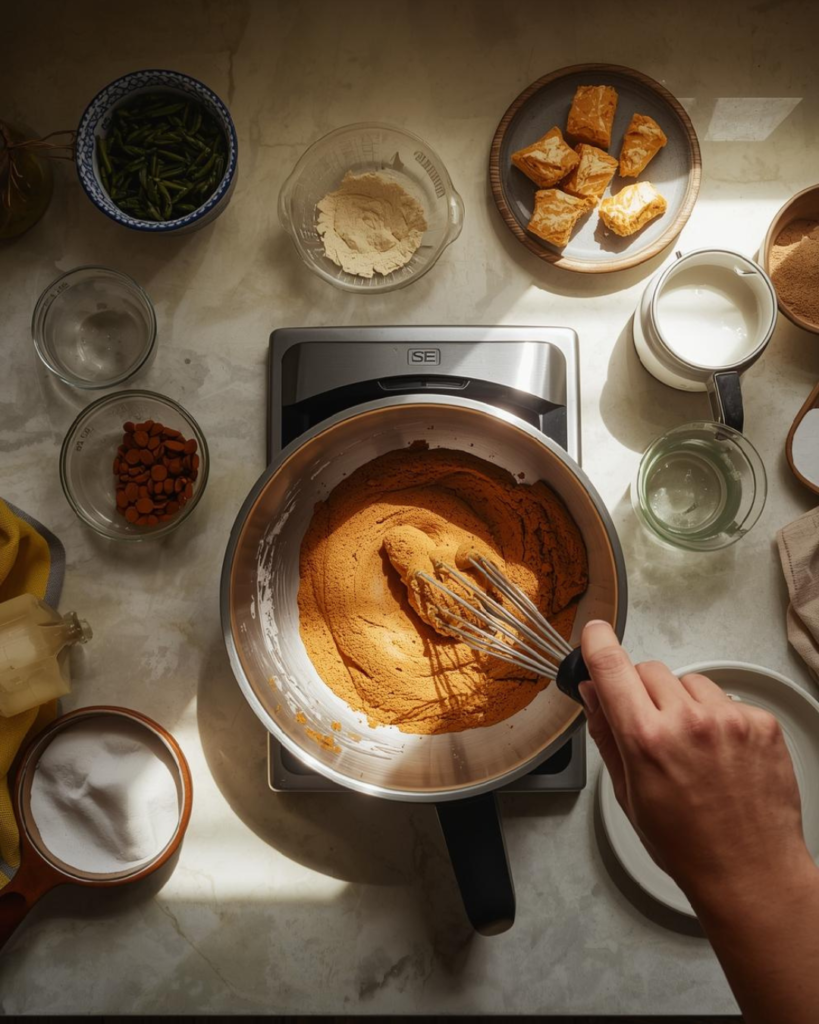
Also, skip baby carrots. They’re often soaked in water and lack the flavor intensity of full-sized carrots. Think of carrots like apples in apple cake—the fresher and more flavorful they are, the better your final result will be.
Flour Options and Their Impact
All-purpose flour is the classic choice for carrot loaf cake, and for good reason. It strikes the perfect balance between strength and tenderness. But depending on your preferences or dietary needs, you do have options.
Using whole wheat flour adds a nutty flavor and boosts fiber, but it can make the loaf denser. If you go this route, consider using half whole wheat and half all-purpose flour to keep the texture light.
Gluten-free flour blends can work surprisingly well, especially those designed for one-to-one substitution. Look for blends that include xanthan gum, which helps mimic the structure gluten provides.
No matter which flour you choose, measuring accurately is critical. Too much flour is the fastest way to end up with a dry loaf. Spoon it into your measuring cup and level it off, or better yet, use a kitchen scale for precision.
Sweeteners: Sugar Choices That Matter
Sugar does more than sweeten your carrot loaf cake—it affects moisture, texture, and browning. That’s why this recipe uses a combination rather than relying on just one type.
Brown sugar is the real MVP here. Its molasses content adds moisture and a deeper flavor that pairs beautifully with warm spices. White sugar, on the other hand, provides clean sweetness and helps with structure.
If you’re tempted to swap in honey or maple syrup, you can—but with caution. Liquid sweeteners add extra moisture, so you’ll need to slightly reduce the oil or increase the baking time. The flavor will change too, leaning more rustic and less classic.
No matter what sweetener you use, remember this: carrot loaf cake should be sweet, but not dessert-level sweet. The goal is balance, where the carrots and spices still get a chance to shine.
Fats: Butter, Oil, or Both?
This is where many bakers get divided. Butter brings flavor, oil brings moisture. So which one wins? In carrot loaf cake, oil usually takes the crown.
Vegetable oil (or neutral oils like canola or sunflower) keeps the crumb soft even after refrigeration. Butter-based cakes tend to firm up once cooled, which isn’t ideal for a loaf meant to be sliced and snacked on over several days.
That said, some bakers like to use a small amount of melted butter alongside oil for added flavor. This hybrid approach gives you the best of both worlds: richness from butter and lasting moisture from oil.
Avoid strongly flavored oils like olive oil unless you’re intentionally going for a bold twist. Carrot loaf cake should taste warm and familiar, not grassy or peppery.
Eggs and Structure
Eggs are the glue that holds your carrot loaf cake together. They provide structure, moisture, and richness all at once. Most recipes call for large eggs, and size really does matter here. Too small, and the loaf may crumble. Too large, and it can turn dense or custardy.
Room-temperature eggs mix more evenly into the batter, creating a smoother texture. If you forget to take them out ahead of time, just place them in a bowl of warm water for a few minutes.
For egg-free versions, substitutes like flax eggs or applesauce can work, but expect a slightly different texture. The loaf may be more tender and less structured, which isn’t a bad thing—just different.
Leavening Agents Explained
Carrot loaf cake relies on a combination of baking soda and baking powder, and each has a specific job. Baking soda reacts with the natural acids in brown sugar and carrots, creating lift and helping the loaf rise evenly. Baking powder provides additional insurance, ensuring the cake doesn’t fall flat.
Using too much leavening can cause the loaf to rise quickly and then collapse, leaving a sunken center. Too little, and you’ll get a dense, heavy cake. Precision matters here, so measure carefully.
Spices That Define Carrot Loaf Cake
Spices are where carrot loaf cake gets its personality. Cinnamon is the anchor—warm, familiar, and comforting. Nutmeg adds depth, while ginger brings a subtle kick that wakes up your palate.
The key is restraint. You want the spices to complement the carrots, not overpower them. Think of spices like background music—they should enhance the mood, not steal the show.
For a twist, you can add cloves or allspice, but go easy. A pinch goes a long way.
Optional Add-ins for Extra Flavor
This is where you can make the recipe your own. Chopped walnuts or pecans add crunch and richness. Raisins bring little bursts of sweetness. Shredded coconut adds chew and tropical notes. Crushed pineapple adds moisture and brightness, though it should be well-drained.
The trick is moderation. Too many add-ins can weigh down the batter and affect baking. Choose one or two, not all of them.
Step-by-Step Carrot Loaf Cake Preparation
Start by preheating your oven and preparing your loaf pan. Line it with parchment paper or grease it well. This simple step saves you from heartbreak later.
In one bowl, whisk together the dry ingredients. In another, mix the wet ingredients until smooth. Combine them gently, then fold in the carrots and any add-ins. Pour the batter into the pan, smooth the top, and bake until a toothpick comes out with a few moist crumbs.
Resist the urge to open the oven door too early. Let the cake do its thing.
Baking Time, Temperature, and Pan Size
Bake your carrot loaf cake at 350°F (175°C). This temperature allows the loaf to bake evenly without burning the edges. A standard 9×5-inch loaf pan works best.
Baking time usually ranges from 50 to 65 minutes, depending on your oven and pan material. Start checking around the 50-minute mark.
Cream Cheese Glaze and Frosting Options
A simple cream cheese glaze takes carrot loaf cake to another level. It’s tangy, creamy, and just sweet enough. For a lighter option, dust the loaf with powdered sugar or drizzle with a thin vanilla glaze.
If you prefer dairy-free, coconut cream-based frostings work beautifully and complement the spices nicely.
Cooling, Slicing, and Serving Tips
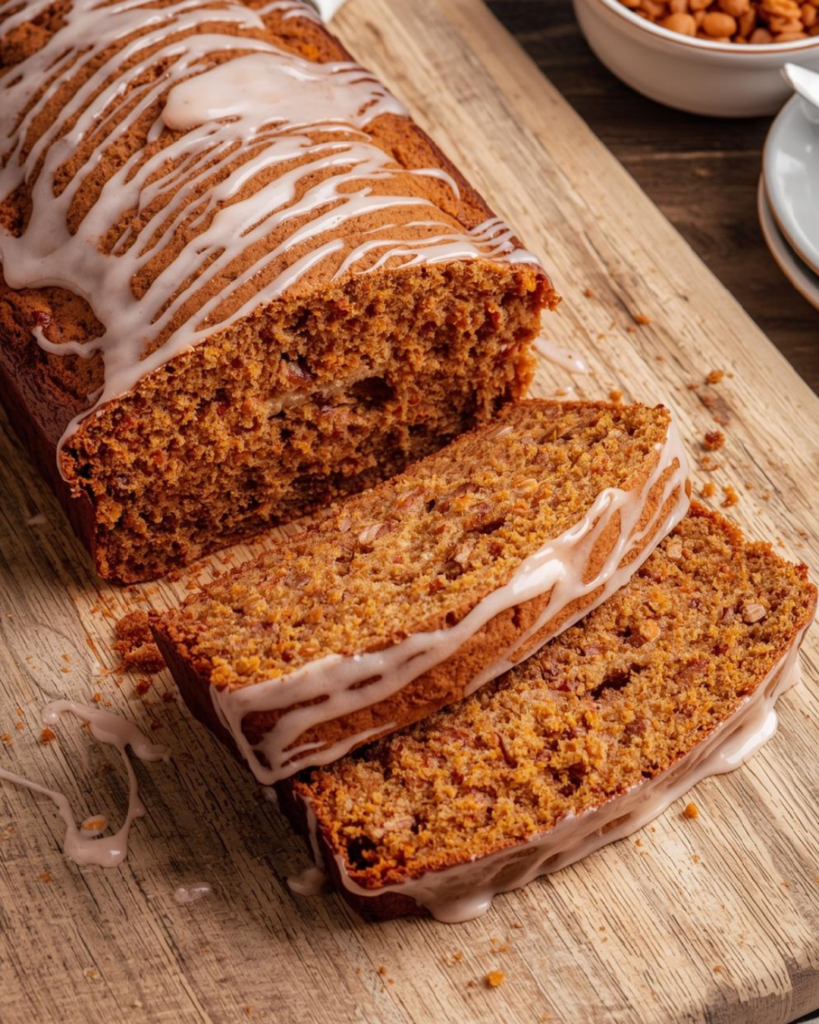
Let the loaf cool in the pan for about 15 minutes, then transfer it to a wire rack. Cutting too soon can cause crumbling, so patience pays off here.
Use a sharp serrated knife for clean slices. Serve plain, with butter, or with a generous swipe of cream cheese frosting.
Storage and Shelf Life
Carrot loaf cake stores well at room temperature for up to three days. Refrigerated, it lasts about a week. Wrapped tightly and frozen, it can last up to three months.
Common Mistakes and How to Avoid Them
Dry cake? You likely added too much flour. Dense loaf? Overmixing is the culprit. Sunken center? Check your leavening measurements and oven temperature.
Healthy Variations of Carrot Loaf Cake
You can reduce sugar, use whole grains, or make it vegan without sacrificing flavor. Small tweaks go a long way.
Carrot Loaf Cake for Special Occasions
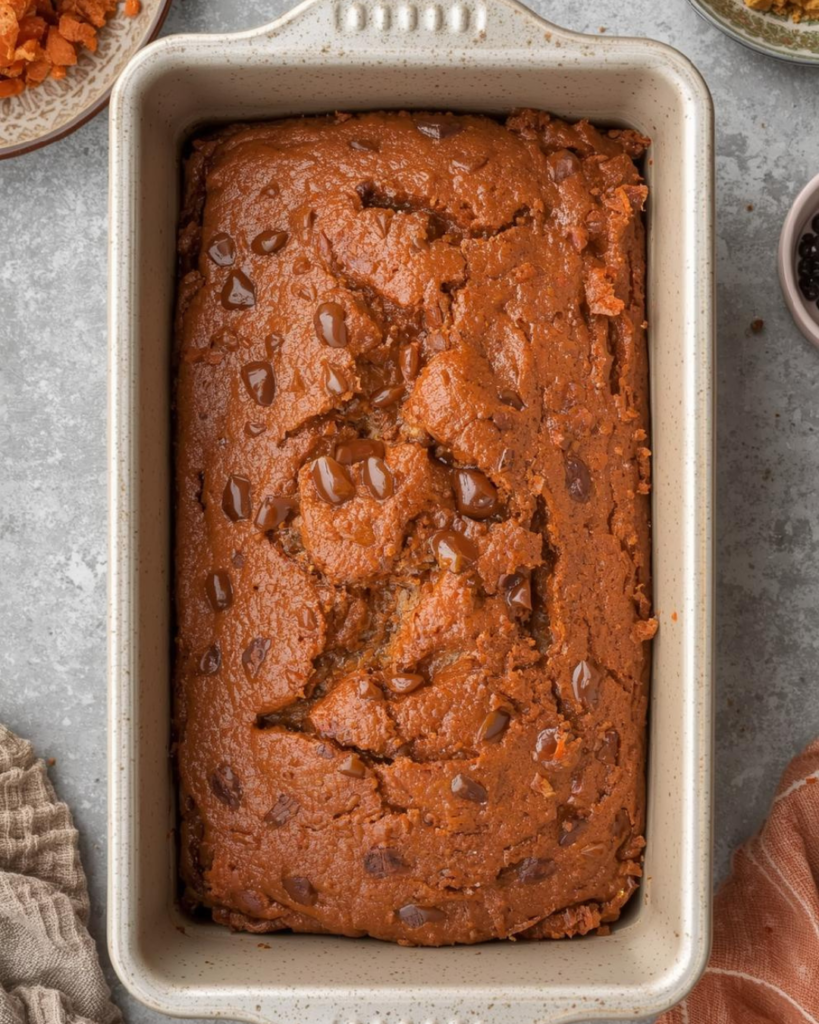
Dress it up with frosting for birthdays, keep it simple for brunch, or add festive spices for holidays. It adapts beautifully.
Conclusion
Carrot loaf cake is proof that simple things, done right, are often the most satisfying. With the right ingredients, a little patience, and a love for warm spices, you’ll have a loaf that feels like home in every bite.
FAQs
1. Can I make carrot loaf cake without eggs?
Yes, flax eggs or applesauce work well.
2. Why is my carrot loaf cake dense?
Overmixing or too much flour are common causes.
3. Can I turn this recipe into muffins?
Absolutely. Reduce baking time to 18–22 minutes.
4. How do I keep carrot loaf cake moist?
Use oil, fresh carrots, and proper storage.
5. Can I bake carrot loaf cake ahead of time?
Yes, it actually tastes better the next day.
More Recipes
- Strawberry Cake Recipe
- Pumpkin Dump Cake
- Syrup Cake Recipe
- Brownie Cake Recipe
- Carrot Cake Muffins (Soft & Spiced)
- Baked Blueberry Fritter Bites
- No-Bake Chocolate Banana Squares (Easy, Healthy, No Oven Snack)
- Banana Oat Cookies: The Ultimate Guide to Healthy, Soft, and Delicious Cookies
- Hoe Cake Recipe
- Ultimate Chocolate Chip Cookies
So, If you enjoy, please Follow my facebook page to be notified every time I publish a recipe!
Carrot Loaf Cake Recipe – Moist, Flavorful, and Foolproof
Ingredients
- 2 cups all-purpose flour
- 1 teaspoon baking soda
- ½ teaspoon baking powder
- ½ teaspoon salt
- 2 teaspoons ground cinnamon
- ¼ teaspoon ground nutmeg
- ¼ teaspoon ground ginger
- ¾ cup vegetable oil
- ¾ cup brown sugar packed
- ¼ cup granulated sugar
- 2 large eggs room temperature
- 1 teaspoon vanilla extract
- 2 cups freshly grated carrots
- ½ cup chopped walnuts or pecans optional
- ⅓ cup raisins optional
Instructions
- Preheat your oven to 350°F (175°C). Grease or line a 9×5-inch loaf pan with parchment paper.
- In a large bowl, whisk together the flour, baking soda, baking powder, salt, cinnamon, nutmeg, and ginger until well combined.
- In a separate bowl, whisk the vegetable oil, brown sugar, granulated sugar, eggs, and vanilla extract until smooth and glossy.
- Add the wet ingredients to the dry ingredients and gently mix until just combined. Do not overmix.
- Fold in the grated carrots, then add nuts and raisins if using. Mix lightly until evenly distributed.
- Pour the batter into the prepared loaf pan and smooth the top with a spatula.
- Bake for 55–65 minutes, or until a toothpick inserted into the center comes out with a few moist crumbs.
- Remove from the oven and let the loaf cool in the pan for 15 minutes, then transfer to a wire rack to cool completely before slicing.


amazing cake